
Medical Simulation vs Clinical Placement in Armenia
Medical simulation and clinical placement develop different parts of professional learning. When comparing Armenian programmes, ask how students move from supervised practice in simulated settings to appropriately supervised learning with patients.
By Study in Armenia Editorial Team · Published 8 October 2026 · Editorial review 7 October 2026
 Study in Armenia student guide
Medical simulation and clinical placement develop different parts of professional learning. When comparing Armenian programmes, ask how students move from supervised practice in simulated settings to appropriately supervised learning with patients.
Medical Simulation vs Clinical Placement in Armenia — what to verify
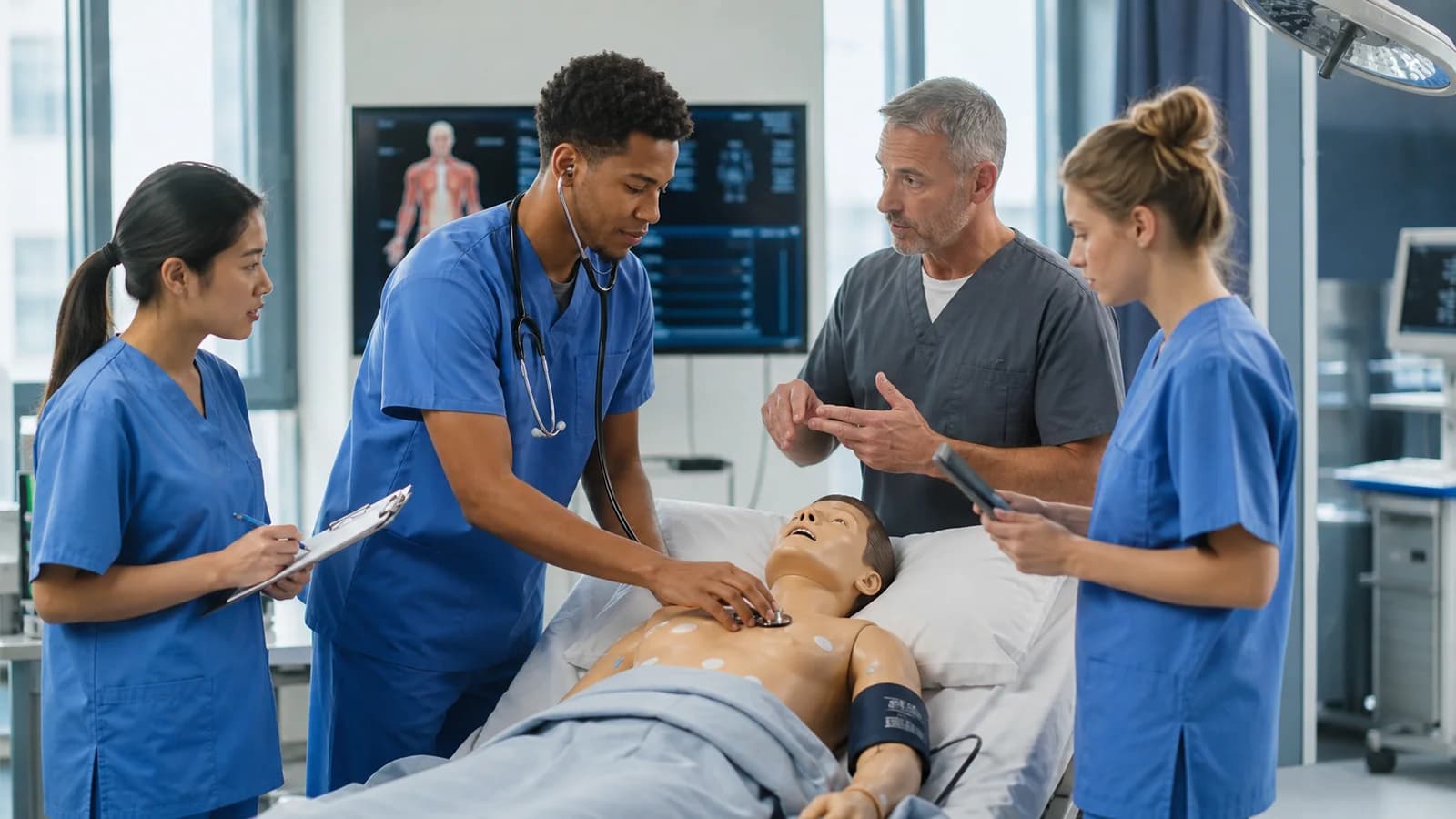
YSMU describes both simulation facilities and learning in clinical settings. A facility description does not by itself explain what your cohort can do there or how competence is assessed. Simulation can support repeated practice and feedback; patient-based learning introduces real communication, context, and clinical responsibilities under the programme’s rules.
Evidence to collect before deciding
Ask for the curriculum stages, student role, supervision arrangements, assessment methods, and placement allocation process. Clarify whether an activity is observation, simulated practice, or an assessed patient-facing task. Request the requirements for preparation and progression, including language and conduct expectations. Record the answer for your programme and cohort rather than another faculty’s experience.
Example: applying the guidance
A campus tour might show a simulation room with impressive equipment. The useful follow-up is how often students use it, what tasks are taught, and who gives feedback. Similarly, a hospital partnership is meaningful only when the programme explains the actual learning opportunities and supervision it provides.
A mistake that can change the outcome
Avoid treating hours spent in a hospital as proof of independently demonstrated competence. Attendance, observation, supervised participation, and assessment are different forms of evidence. Students should work only within their authorised educational role.
Your next-step checklist
Use this checklist to turn the decision into a small set of verifiable actions. Record the answer, its date, and the person or official page that supplied it. Resolve any missing item before relying on the plan.
- Distinguish simulation from patient-based learning.
- Ask what students actually do.
- Check supervision and assessment.
- Confirm access for your cohort.
Common questions
Does simulation replace all clinical experience?
Read the programme’s complete training requirements; one facility cannot establish the whole pathway.
Can students practise independently during placement?
Follow the institution and placement provider’s authorised role and supervision requirements.
Continue your research
Sources and verification
These editorial guides combine official source information with practical planning advice. Examples are hypothetical. Confirm current requirements, fees, and professional eligibility with the responsible institution or authority before committing.